
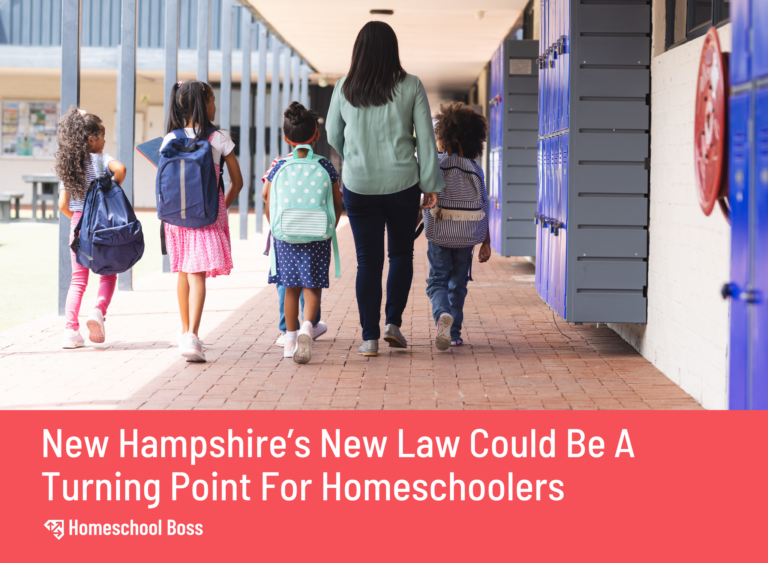
El mes pasado, la gobernadora de New Hampshire, Kelly Ayotte, firmó y convirtió en ley el Proyecto de Ley 1817 de la Cámara de Representantes. El House Bill 1817 permite que los estudiantes que reciben vales educativos y que no están matriculados a tiempo completo en escuelas públicas tengan acceso gratuito a programas,clases y clubes escolares. Esto representa un gran avance para los homeschoolers y para cualquier estudiante que busque formas alternativas de educación en New Hampshire. Es un claro ejemplo del punto de inflexión que está ocurriendo en las políticas educativas en todo el país.
Antes de que esta ley entrará en vigor, las escuelas de New Hampshire ya permitían que los estudiantes homeschoolers asistieron a clases, pero los distritos cobraban de manera inconsistente a las familias por acceder a clases o programas públicos. Para los estudiantes que seguían un enfoque educativo alternativo y recibían vales estatales, muchos distritos no tenían un modelo claro para cobrar o incluso aceptar a estos estudiantes en sus programas o clases. Esto generaba problemas para las familias de New Hampshire, ya que las reglas burocráticas variaban de forma injusta según el distrito.
Esta ley estandariza las prácticas de inscripción para estudiantes educados de forma alternativa en todo el estado que reciben fondos educativos estatales a través de vales. Esto significa que todas las escuelas públicas deberán permitir que estos estudiantes asistan a clases, clubes y equipos sin costo adicional.
El proyecto de ley ha generado mucho debate en New Hampshire. Los opositores argumentan que esto provocará undoble cobro”. Como las escuelas reciben fondos por alumno, si un estudiante con vale educativo toma una clase pública de forma gratuita, el distrito escolar no recibirá financiamiento estatal por ese estudiante. El estado ya paga a los distritos por los estudiantes homeschoolers, por lo que si un estudiante con vale asiste además a una clase pública, el estado estaría pagando dos veces por su educación.
Los defensores de la nueva ley señalan que New Hampshire tiene algunos de los impuestos a la propiedad escolar más altos del país. Aunque las escuelas reciben fondos por alumno, también dependen en gran medida de los impuestos a la propiedad. Argumentan que los vecinos que ya pagan impuestos para apoyar a los distritos escolares ahora tienen el derecho legítimo de acceder a esos bienes públicos, y que esta ley trae equidad y consistencia para todos los estudiantes del estado.
La forma en que las personas educan a sus hijos está cambiando rápidamente. Muchas familias se alejan del modelo tradicional de escuela o homeschooling puro y optan por un modelo híbrido que se adapte mejor a sus necesidades. Esta tendencia se acelera con el House Bill 1817, que permitirá a muchas familias educadas en casa acceder a más oportunidades educativas en su escuela pública local sin tener que pagar costos adicionales.
¿Qué podría significar esto para los homeschoolers?
Los homeschoolers siempre han estado a la vanguardia de los modelos educativos individualizados, y el enfoque de “mezcla y combinación” es precisamente cómo muchas familias homeschoolers están abordando la educación en la actualidad. Esta ley forma parte de una serie de nuevas legislaciones que buscan hacer que este tipo de educación sea más fluido y sin fricciones para las familias.
El House Bill 1817 representa una remodelación más amplia de las políticas educativas a nivel nacional, que ya han estado cambiando rápidamente. En los últimos cinco años se ha invertido más dinero en el homeschooling y en formas alternativas de educación. Esto ha generado un mayor debate nacional sobre registro, seguimiento de datos y medidas de rendición de cuentas para educadores alternativos. Puedes aprender más sobre lo que estas políticas podrían significar para ti consultando nuestros artículos recientes sobre la Ley Federal COMPASS, el Crédito Fiscal Federal para la Educación y la nueva ley de homeschooling de Connecticut.